
Is There a Better Way to Control Dust?
Anyone who’s driven a gravel road in summer knows the problem. Dust clouds hanging in the air. Reduced visibility. Fine particles coating vehicles, equipment, and nearby properties. Over time, it becomes more than an inconvenience. It’s a safety issue.
As Alberta continues to grow, expectations around road safety, environmental responsibility, and long-term maintenance are changing. That shift is shaping the future of dust control, especially when it comes to how products are applied and how long they last.
Today, sustainable dust control isn’t about quick fixes. It’s about smarter materials, better planning, and consistent results.
Why Traditional Dust Control Falls Short
In the past, dust control often meant frequent watering or short-term treatments that needed constant reapplication. While those methods can help temporarily, they rarely hold up under traffic, weather, and seasonal wear.
The result is more maintenance, more cost, and ongoing disruption. Roads break down faster. Washboarding becomes common. Crews are sent back repeatedly to address the same problem.
That approach doesn’t align with today’s focus on efficiency or sustainability.
The Role of Calcium Chloride in Modern Dust Control
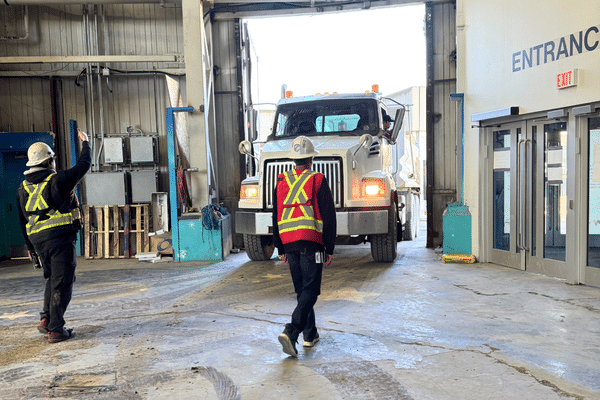
One of the biggest shifts in dust control has been the move toward calcium-based solutions. Calcium chloride application in Edmonton has become a preferred method for many municipalities, contractors, and industrial operators.
Calcium chloride works differently than water alone. It attracts and retains moisture from the air helping keep road surfaces damp longer. That means less dust, better surface stability, and fewer applications over the season.
When applied correctly, calcium chloride helps extend the life of gravel roads and reduces ongoing maintenance needs.
Sustainability Is About Longevity
Sustainable dust control isn’t just about environmental impact. It’s also about durability.
Fewer applications mean fewer trucks on the road. Less grading means less material loss. Better surface stability means longer intervals between major maintenance.
Over time, that adds up. Roads stay in better condition. Crews spend less time reacting to dust complaints. Budgets stretch further.
Sustainability, in this context, means choosing a solution that works longer and requires less intervention.
Why Proper Application Matters
The product alone isn’t enough. How dust control is applied makes a real difference in performance.
Consistent coverage, proper timing, and experienced operators all play a role. Applying calcium chloride too lightly, too late, or without surface preparation can limit its effectiveness.
That’s why professional dust control services focus on planning. Traffic levels, weather patterns, and road conditions are all considered before application begins.
This approach leads to better results and fewer surprises during the season.
Partnerships That Drive Better Outcomes
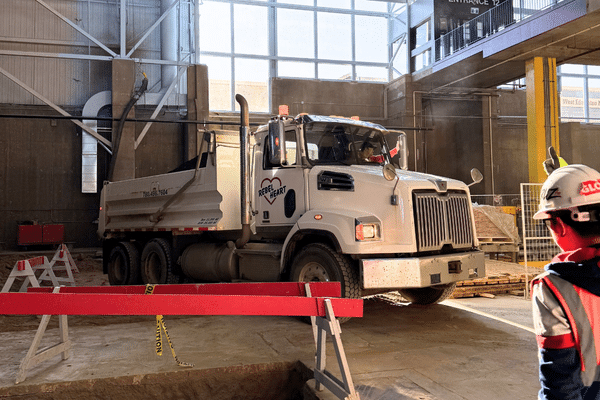
Sustainable dust control also depends on using proven materials. Rebel Heart uses products designed specifically for Western Canadian conditions.
This allows access to high-quality calcium chloride and ensures application standards are aligned with industry best practices. It’s not about experimenting. It’s about using materials that have been tested, trusted, and refined over time.
For municipalities and industrial operators, that reliability matters.
Dust Control in Growing Communities
As Alberta communities expand, gravel roads often see more traffic than they were originally designed for. Construction access, industrial activity, and residential growth all increase wear.
Effective dust control helps manage that growth. It improves visibility for drivers, reduces dust exposure for residents, and supports safer road conditions overall.
In regions around Edmonton, dust control has become part of responsible infrastructure management rather than a seasonal afterthought.
Environmental Considerations Are Part of the Conversation
Sustainability also means thinking about impact beyond the road itself. Excess dust affects air quality and nearby land. Frequent grading increases material loss. Short-term fixes increase fuel use.
Calcium chloride, when applied correctly, helps reduce these issues by minimizing dust release and stabilizing surfaces. That makes it a practical option for balancing performance with environmental responsibility.
For more general information on dust and air quality considerations, Alberta Environment and Protected Areas provides public resources here.
What the Future Looks Like
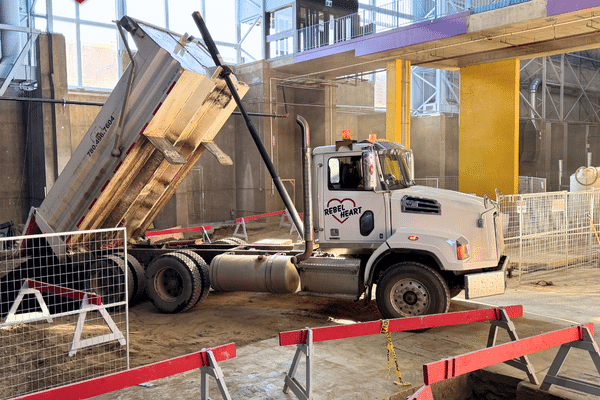
The future of dust control is focused on smarter decisions. Fewer reactive fixes. More planning. Better materials. Stronger partnerships.
Communities and operators are moving toward solutions that last longer and perform better under real-world conditions. That shift benefits everyone, from road users to maintenance crews to nearby residents.
Dust control is no longer just about keeping roads passable. It’s about keeping them safe, stable, and manageable over time.
Choosing the Right Dust Control Partner
Sustainable dust control requires experience, the right products, and a clear plan. Providers need to understand local conditions, seasonal timing, and long-term road performance.
Rebel Heart delivers professional dust control services using proven calcium chloride solutions and experienced application methods. Their approach focuses on results that last through the season, not just the next dry stretch.
To learn more about Rebel Heart’s dust control services in Alberta, visit: https://rebelheart.ca/dust-control-alberta
Looking Ahead
Dust control may not always get the spotlight, but its impact is hard to ignore. Better visibility. Safer roads. Lower maintenance demands.
As expectations continue to rise, sustainable dust control will remain a key part of responsible road and site management across Alberta.
If you’re planning for the upcoming season, now is the time to think ahead. Reach out to Rebel Heart to discuss dust control options and request a quote.
