
Do You Actually Need RO Water or Just Potable Water?
It’s a question that comes up more often than you’d think. Someone needs water delivered, starts looking into options, and suddenly, there are terms like RO, potable, purified, and demineralized being thrown around.
So what’s the difference? And more importantly, which one do you actually need?
For businesses and property owners across Alberta, choosing the right type of water matters. It affects performance, safety, and cost. Understanding the difference between potable water and RO water helps avoid overpaying for something unnecessary or underdelivering on what your site requires.
What Is Potable Water?
Potable water is water that’s safe to drink. It meets health standards for human consumption and is suitable for everyday use.
In Alberta, potable water is typically sourced from municipal systems and regulated by Alberta Health Services. This means it has already been treated, tested, and approved for drinking before it ever reaches a delivery truck.
Potable water is used for:
- drinking water supply
- cooking and washing
- job site hydration and handwashing
- residential cisterns
- event water stations
It’s reliable, safe, and suitable for most common uses.
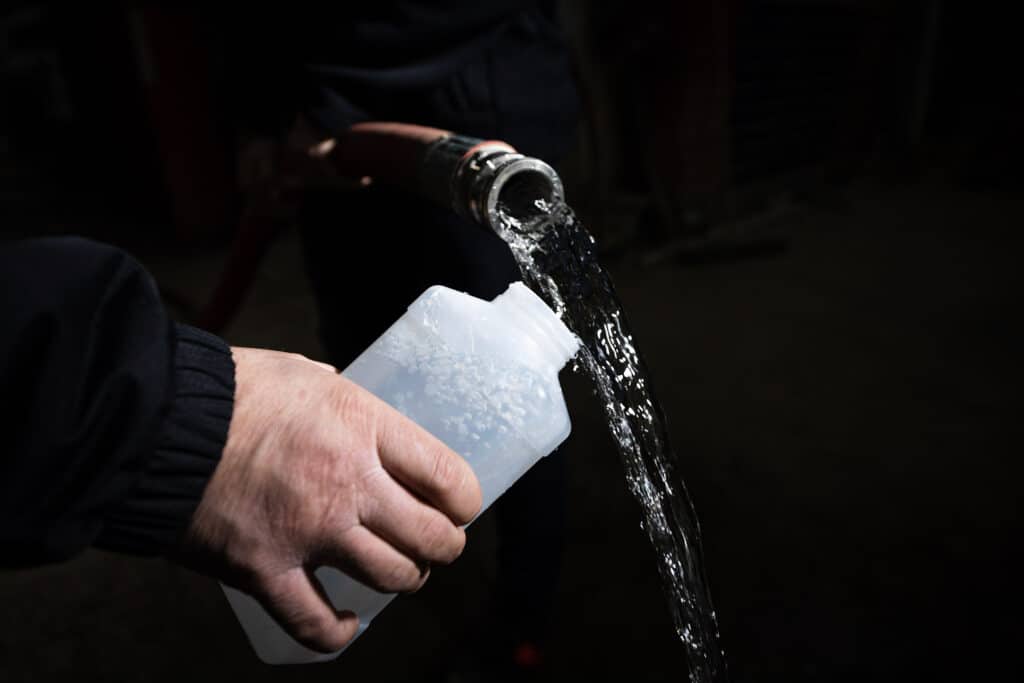
What Is RO Water?
RO water, or reverse osmosis water, goes through an additional purification process that removes dissolved minerals, salts, and impurities.
This creates a much higher level of purity than standard potable water.
RO water is commonly used in:
- industrial systems and processing
- food production and manufacturing
- equipment that requires mineral-free water
- specialty cleaning and rinsing
- applications where buildup or residue must be avoided
Because of the extra filtration, RO water is more controlled and consistent, making it ideal for sensitive systems.
The Key Difference Comes Down to What’s Inside
At a glance, both types of water look the same. Clear. Clean. Usable.
The difference is what’s inside.
One of the simplest ways to measure that difference is through Total Dissolved Solids, or TDS. This measures the amount of minerals, salts, and other dissolved materials in the water.
In Edmonton, municipal tap water typically sits around 190 to 230 ppm for TDS, depending on seasonal changes and water hardness. That’s completely safe for drinking and everyday use.
RO water is different. Through reverse osmosis, those dissolved solids are almost completely removed. In many cases, RO water measures below 1 ppm.
That means the water is stripped down to nearly pure H2O.
For drinking, that level of purity isn’t necessary. But for industrial systems, equipment, and processing, it can make a big difference. Even small amounts of minerals can lead to buildup, scaling, or performance issues over time.
That’s why understanding TDS helps clarify when RO water is worth it and when potable water is the better choice.
Potable water still contains natural minerals, reflected in its higher TDS level, which is perfectly safe for everyday use.
In the end, the right choice comes down to how the water is being used, not how it looks.
When Potable Water Is the Right Choice
For most residential and general commercial needs, potable water is the right fit.
Homes that rely on cisterns use potable water for daily living. Events use it for drinking stations and food service. Construction sites rely on it for hydration and sanitation.
It’s cost-effective, widely available, and meets all health standards for human use.
In these situations, using RO water would add cost without adding real value.
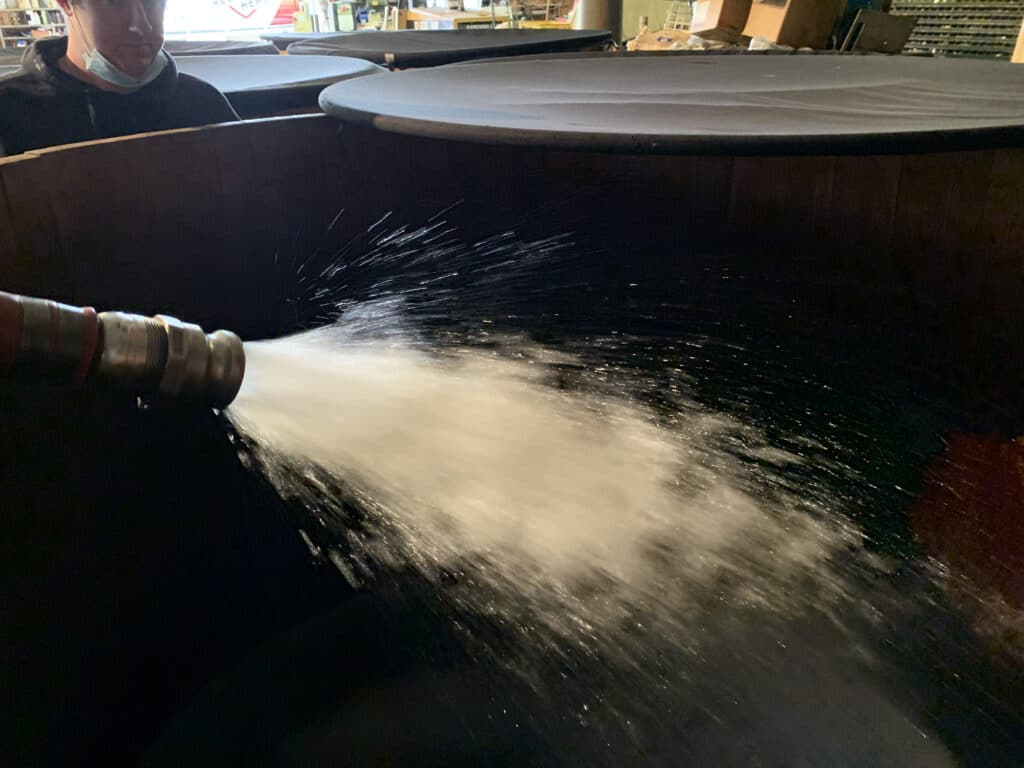
When RO Water Makes More Sense
RO water becomes important when systems require a higher level of purity.
Industrial equipment, for example, can be sensitive to mineral buildup. Over time, that buildup can reduce efficiency, increase maintenance, and lead to costly downtime.
Food production facilities may also require purified water to meet quality standards. In these environments, consistency matters just as much as cleanliness.
That’s where RO water delivery in Alberta plays a key role. It supports operations that depend on precise, controlled water quality.
Cost vs Performance
One of the most common mistakes is choosing the wrong type of water based on assumption.
Using RO water when potable water would work can increase costs unnecessarily. On the other hand, using potable water in systems that require purified water can lead to equipment issues and higher long-term expenses.
The goal isn’t to choose the “better” water. It’s to choose the right water for the job.
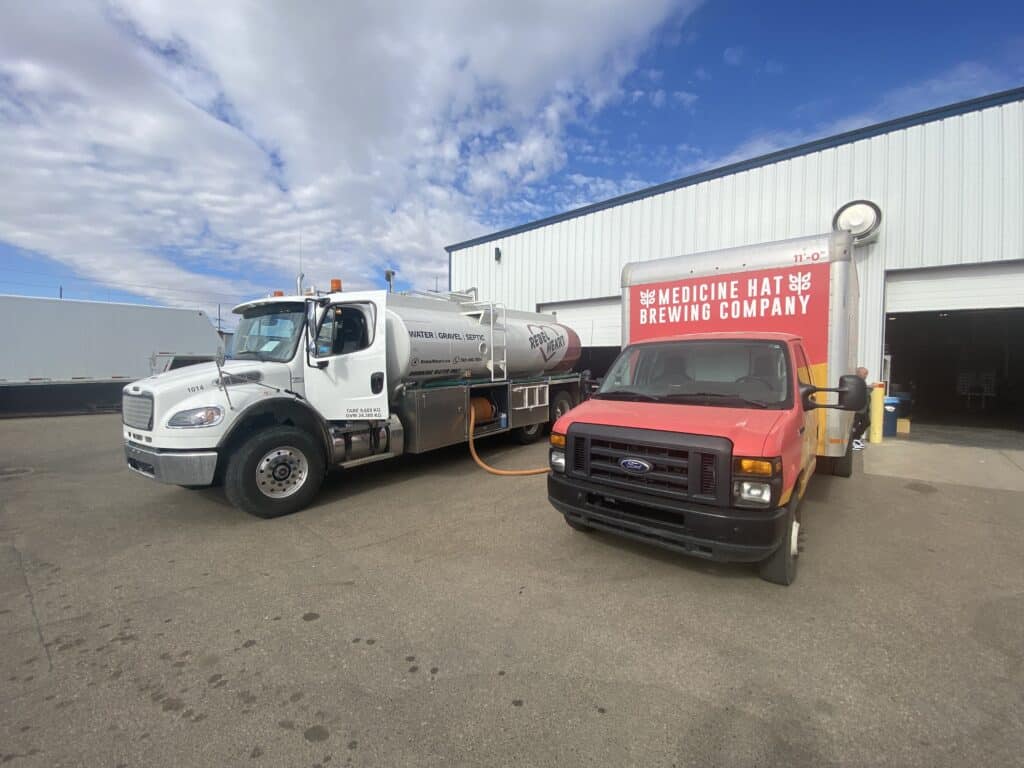
Reliable Delivery Matters Either Way
Whether it’s potable or RO water, delivery plays a big role in overall quality.
Water needs to be transported safely, using properly maintained equipment and trained operators. Timing matters as well. Running out of water on a job site or in a facility can slow operations quickly.
Rebel Heart provides both potable and RO water delivery across Alberta, helping clients choose the right option based on their needs. Their team supports residential, commercial, and industrial applications with reliable scheduling and responsive service.
Learn more about our water delivery services.
Choosing the Right Water for Your Site
If you’re unsure which option is right, it usually comes down to a simple question.
What is the water being used for?
If it’s for people, potable water is almost always the answer. If it’s for equipment, processing, or specialized use, RO water may be the better choice.
A knowledgeable provider can walk through your requirements and recommend the best option without overcomplicating it.
Clarity Leads to Better Decisions
Water shouldn’t be confusing. But with different types available, it helps to understand the basics.
Potable water supports everyday use. RO water supports specialized applications. Both serve an important role, but they’re not interchangeable.
For businesses and property owners across Alberta, making the right choice helps control costs, protect equipment, and keep operations running smoothly.
If you’re considering RO water delivery in Alberta or need help choosing the right water for your site, contact Rebel Heart to request a quote and get the right solution in place.
