
Industrial sites should plan bulk hot water delivery in winter by confirming the required water temperature, volume, delivery timing and site conditions before scheduling service. For Edmonton construction, oil and gas, and manufacturing projects, early coordination helps ensure heated water is available when the work requires it.
A construction crew is preparing for a winter hydrotest. The equipment is ready, the work is scheduled, and the project requires heated water. But there’s one important detail left to arrange: getting the right amount of water to the site at the temperature the job needs.
Edmonton winters can make that more complicated. Snow-covered access roads, freezing temperatures and changing site conditions can all affect delivery planning.
At Rebel Heart, we produce and transport bulk heated water for commercial and industrial operations throughout the Edmonton area. Our service supports projects where water temperature, volume and delivery conditions need to be considered carefully.
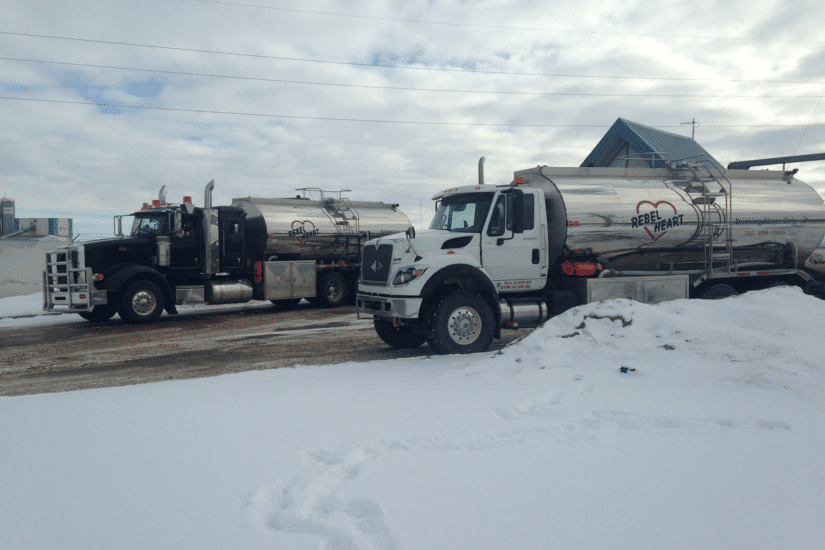
Why Does Winter Make Bulk Hot Water Delivery More Complicated?
Industrial projects don’t necessarily stop when temperatures drop.
Construction, oil and gas, and manufacturing operations may still require large volumes of heated water for specific processes. The work continues, but cold weather adds practical challenges that need to be considered.
A delivery location that’s easy to reach in September may look different in January. Snow can narrow access routes, icy surfaces can affect truck movement, and equipment or materials may be stored in areas previously used for deliveries.
Water temperature also needs attention.
Heated water can lose heat during transportation and handling. How much depends on factors such as the starting temperature, equipment, travel time and conditions at the site.
That doesn’t mean winter deliveries can’t be arranged. It means the project requirements should be understood before the truck is dispatched.
What Industrial Projects Require Bulk Heated Water?
Bulk hot water is used when an industrial process needs a large quantity of water at an elevated temperature.
Rebel Heart’s bulk hot water service supports several established industrial applications.
Oil and gas operations may require heated water for boiler feed, daylighting, drilling or extraction processes.
Construction projects may use heated water for certain hydrotesting procedures, chemical cleaning or cement-curing applications.
Manufacturing facilities may need heated water for production processes that require controlled temperatures.
Not every job within these industries requires hot water. A hydrotest, for example, doesn’t automatically need heated water simply because it happens during winter.
The project’s technical requirements should determine whether heated water is necessary, what temperature is suitable and how much needs to be supplied.
That distinction matters. Ordering hot water because it’s cold outside isn’t the same as ordering it because a defined industrial process requires it.
How Do Water Temperature and Volume Affect Delivery Planning?
Ordering bulk hot water starts with two important details: how much water is needed and what temperature the application requires.
These aren’t minor details.
A manufacturing process with a specific temperature requirement may have very different needs from a construction project requiring heated water for a planned test.
Rebel Heart assesses the required temperature and volume before developing a transportation plan. The company also considers delivery distance and terrain.
For the customer, it’s useful to confirm whether the specified water temperature is required when the water is loaded, when it arrives or when it’s used in the process.
Those conditions aren’t always identical.
If a project has a strict temperature range, the customer should communicate that requirement clearly so the delivery team can assess what can be provided.
Volume planning matters just as much.
An inaccurate estimate can create problems if a project receives less water than it needs or orders more than its receiving system can accommodate.
Having the specifications ready before booking helps both sides plan the work.
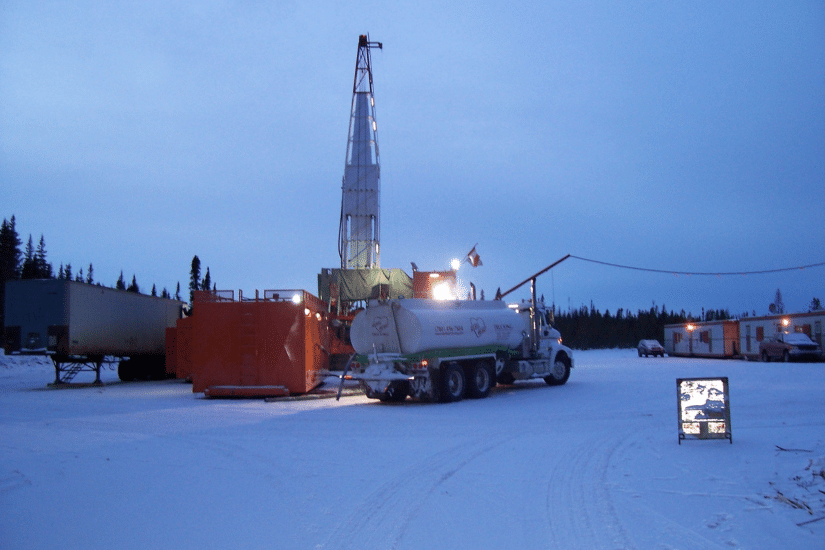
Prepare the Site Before the Delivery Truck Arrives
The delivery truck needs safe access to the receiving location.
That sounds simple, but active industrial sites can change quickly. Trailers get moved, materials are stored near entrances, and snow can reduce the space available for large vehicles.
Before arranging delivery, the site supervisor should confirm a few practical details:
- Whether roads and access routes can accommodate the delivery vehicle
- Where the truck will unload and whether there’s enough space to position it
- What tank, connection or receiving system will accept the water
- Who will be available to coordinate the delivery
- Whether hoses, connections and receiving equipment are suitable for the required temperature
It’s also worth checking whether the receiving area will remain accessible throughout the planned delivery window.
For sites reached by provincial highways, Alberta’s official 511 road information service provides road conditions, closures and other travel information that can help with winter transportation planning.
A clear delivery plan reduces avoidable confusion once the truck reaches the property.
What Happens to Heated Water After It Arrives?
Delivery is only one part of the job.
The site also needs a suitable way to receive, handle and use the heated water.
Depending on the application, that may involve a storage tank, process equipment or another receiving system. The site should confirm that its equipment and connections are appropriate for the expected temperature and volume.
Winter conditions create another consideration.
If heated water is transferred or used outdoors, spills and runoff can freeze as temperatures drop. That can create slippery surfaces around work areas, access roads or equipment.
Site managers should plan for drainage, containment and any required wastewater handling before the operation begins.
Water used in chemical cleaning or other industrial processes may also need different handling after use, depending on what it contains.
The important point is straightforward: having water delivered at the right temperature is useful only when the site is ready to handle it properly.
How Is Bulk Hot Water Different From General Water Hauling?
Water hauling covers a wide range of commercial and industrial applications. It involves transporting water to locations where it is needed.
Bulk hot water delivery is more specialized because the water must be heated to meet the requirements of a particular job.
Rebel Heart’s general water hauling services support work such as dust control, compaction, hydrotesting, road flood testing and other applications.
Its bulk heated-water service focuses on projects that specifically require elevated water temperatures.
That difference should be made clear when requesting a quote.
A customer who needs water for ordinary site operations may not require heated delivery. Another customer may have a process that depends on a particular temperature range.
Identifying the application first makes it easier to discuss the right service.
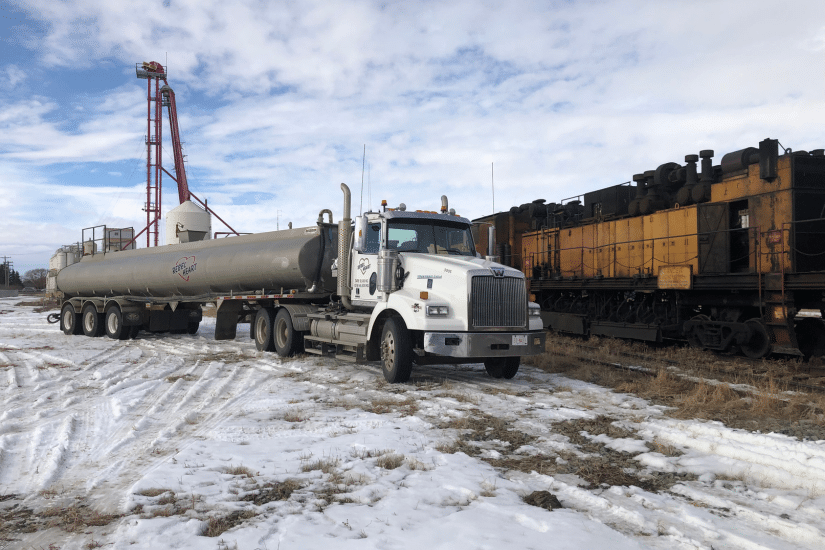
How Does Rebel Heart Plan Bulk Hot Water Delivery?
At Rebel Heart, we assess the customer’s required water temperature, volume, transportation distance and terrain before developing a delivery plan.
During winter, customers should also communicate any changes to site access, unloading conditions or project timing. Having that information helps our team assess the request and coordinate delivery around the work being performed.
When Should Industrial Sites Schedule Winter Hot Water Delivery?
The best time to arrange delivery is before the project reaches the stage when heated water is needed.
That gives the customer time to confirm technical requirements, prepare the receiving area and discuss scheduling with the water-hauling provider.
For a one-time construction process, that may mean arranging a delivery around a specific work window.
For an industrial operation with repeated heated-water requirements, it may involve discussing a more regular delivery schedule.
Either way, early communication is useful.
If the required volume changes, site access becomes restricted or the work is rescheduled, Rebel Heart should be informed so the delivery plan can be reviewed.
Frequently Asked Questions
Does Rebel Heart Provide Bulk Hot Water Delivery in Edmonton?
Yes. Rebel Heart produces and transports bulk heated water for commercial and industrial applications in Edmonton. The company works with customers to assess required temperatures, volumes and transportation conditions before planning delivery.
What Industries Use Bulk Hot Water Delivery?
Bulk heated water is used in certain oil and gas, construction and manufacturing processes. Rebel Heart lists applications including boiler feed, daylighting, drilling, hydrotesting, chemical cleaning and cement curing. Whether heated water is needed depends on the project’s requirements.
Can Bulk Hot Water Be Delivered During Winter?
Yes, winter delivery can be planned for industrial projects requiring heated water. Delivery requirements should account for site access, transportation conditions, water temperature and timing. Customers should confirm the details of their project with the provider before scheduling.
What Information Is Needed to Book Bulk Hot Water Delivery?
Customers should know the approximate water volume, required temperature, delivery location and preferred timing. Information about access roads, receiving equipment and unusual site conditions is also helpful. These details allow the provider to assess the request and plan the transportation.
Plan Winter Hot Water Deliveries Around the Work
Industrial projects already have enough moving parts. Water delivery shouldn’t become another problem because important details were missed during planning.
When a process requires heated water, the best place to start is with the actual project specifications.
Confirm the temperature. Know the volume. Prepare the delivery area. Think about how the water will be received and used.
For commercial and industrial operations requiring bulk hot water delivery in Edmonton, Rebel Heart provides heated-water production and transportation based on the needs of the project.
Planning winter work that requires bulk heated water? Contact Rebel Heart to discuss the required temperature, volume, location and delivery schedule.f
